
Designing for Shared Experience: PAC and The Dot Experience
Multimodal Design
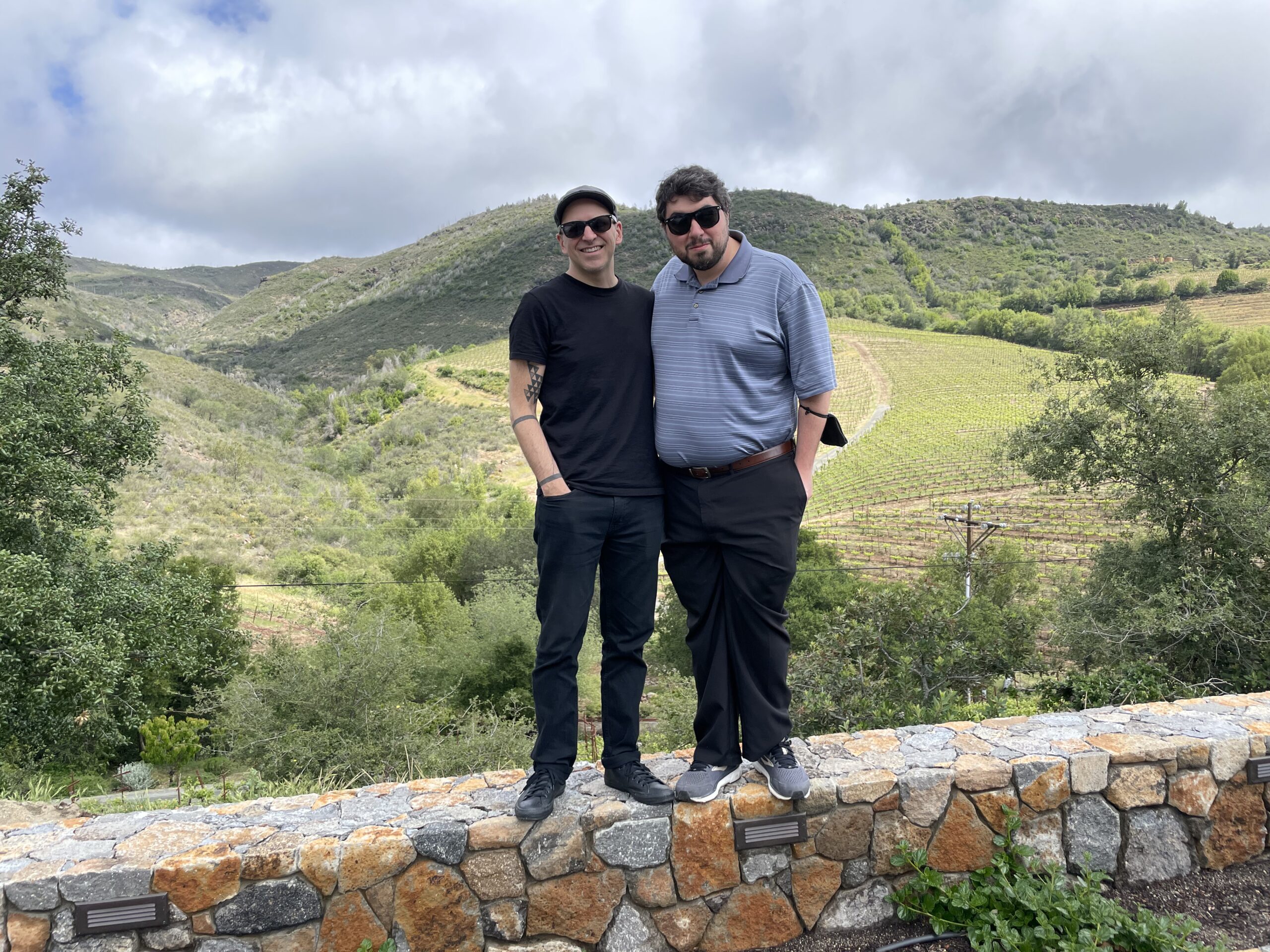
For over a decade, Corey Timpson and Sina Bahram, principals at Prime Access Consulting (PAC), have worked to create inclusive, meaningful experiences that welcome the widest possible audience. Together, their work focuses on inclusive user experience (UX) design across physical, digital, and blended environments, with particular attention to multimodal interaction design (IxD) and accessible, equitable outcomes. Their collaboration began during the development of the Canadian Museum of Human Rights and continued through major projects, including the Obama Presidential Center. Regardless of project size or budget, they share a common goal: creating meaningful experiences that help people feel included while remaining impactful and sustainable.
Central to PAC's philosophy is the concept of multimodal design. Rather than simply providing multiple sensory elements, multimodal design ensures that information is delivered through synchronized methods, such as light, sound, touch, speech, and braille. Bahram calls it the ‘make-or-break moment’ for accessibility. "If Corey and I experience something together, he may access it through vision while I access it through touch, speech, or braille," Bahram explained. "What matters is that we experience it at the same time. Shared experience creates opportunities for shared understanding and conversation."
That philosophy guided the design of The Dot Experience. Throughout development, feedback from a prototyping group that included people with a range of disabilities informed numerous decisions, from accommodating power wheelchairs and determining mounting angles to refining sound booths and interactive elements. Many of these changes addressed specific accessibility needs while also improving the experience for all visitors.
Embracing Inclusion
PAC's role was unique because the team worked across separate disciplines and expertise. Architects focused on the building, exhibition designers developed content and interactions, and fabricators brought concepts to life. Working alongside Solid Light, the American Printing House (APH), and other project partners, PAC collaborated across all of these groups to help ensure that a truly inclusive approach shaped the entire museum experience. For Timpson and Bahram, one of the most meaningful outcomes of The Dot Experience is its potential influence beyond a single museum. Every visitor benefits from a more inclusive experience, but they hope the museum will have a ripple effect, helping to normalize inclusive design and accessibility in communities and visitor experiences around the world.
“With The Dot Experience, project partners remained committed throughout the process,” said Bahram. “Compromising on accessibility was never viewed as an option, and that commitment became one of the project's greatest successes.” Timpson noted that what truly distinguishes The Dot Experience is how deeply every collaborator embraced the goal of inclusion. Rather than simply following recommendations, many team members internalized the approach and carried it forward in their own work. Both Timpson and Bahram were also impressed by APH’s willingness to explore multimodal visitor interaction with the different collections. While most museums often balance preservation concerns with accessibility goals, APH consistently approached the process by asking, "How can we say yes to accessibility?" before considering limitations.
Enhanced Experience
One exhibit Timpson and Bahram especially appreciate focuses on cane tips. Visitors can handle different types of canes and test them across a variety of surfaces, including grass, wood, marble, carpet, and concrete. The experience creates opportunities for learning and exploration while helping visitors better understand tools used by many people with blindness or low vision. “I don’t think the general public is aware of how simple, yet sophisticated the cane system is and what it can do,” said Timpson.
Ultimately, Timpson and Bahram believe The Dot Experience demonstrates what becomes possible when accessibility is considered from the beginning rather than added on later. People with disabilities can enter knowing they were not an afterthought. At the same time, visitors without disabilities encounter inclusion as a natural part of the experience.
The Dot Experience challenges lingering misconceptions that accessible design must sacrifice beauty, creativity, or innovation. Instead, it shows that accessibility can enhance an experience for everyone. The Dot Experience offers a model for how museums can create environments where all people can learn, participate, and belong.
The Dot Experience team is excited to welcome everyone in October. To stay up-to-date on The Dot Experience, follow us on Facebook and Instagram.